Chemical Application Where Pressure Would Cause Damage
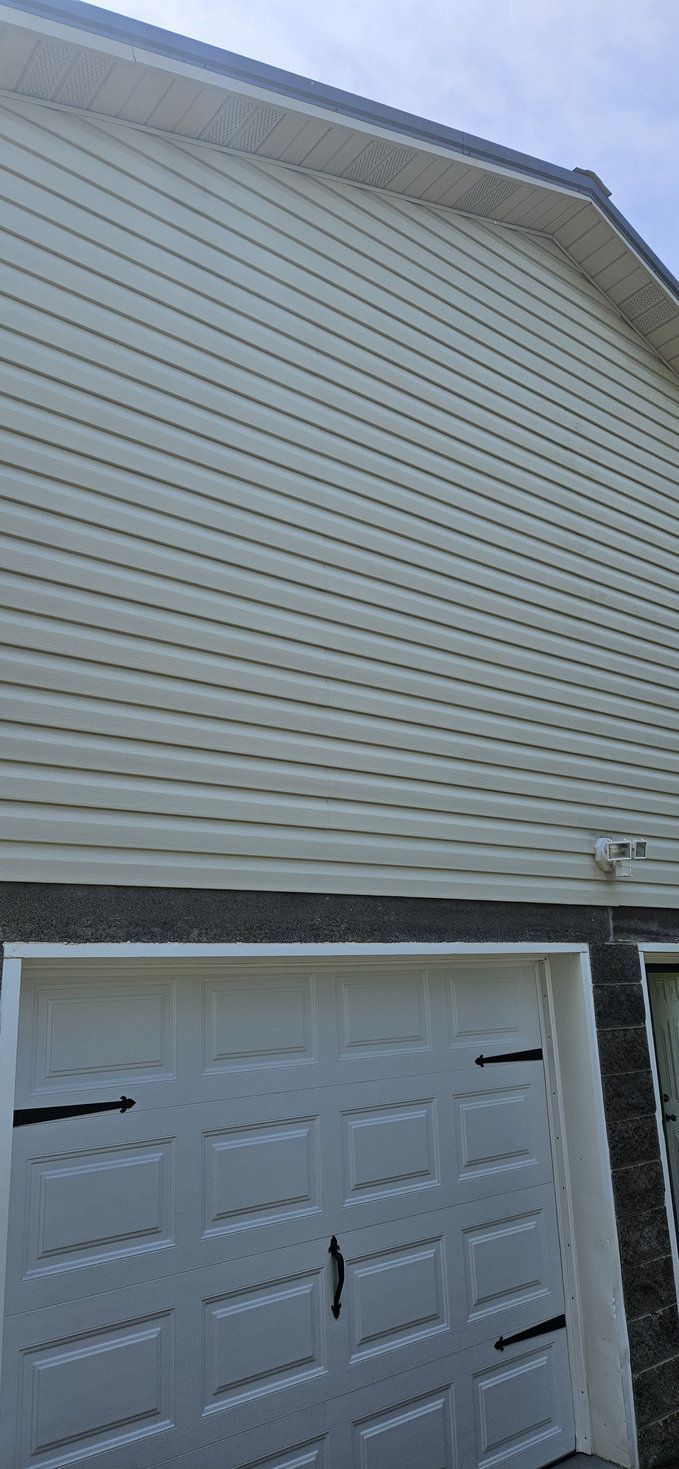
Soft washing in Marion for shingle roofs, vinyl siding, and exterior surfaces that cannot tolerate pressure rinse
Some exterior surfaces are cleaned most effectively not by the force of water but by the chemistry applied to them. Soft washing uses low-pressure or no-pressure chemical delivery to kill and dissolve biological growth—algae, lichen, mold, mildew—at the source rather than scrubbing it away mechanically. Outdoor Elements built its soft washing protocol specifically around the surface types that are most common in Marion-area residential properties: asphalt shingle roofs and exterior cladding materials where high-pressure water causes surface damage that outweighs the cleaning benefit.
The system Outdoor Elements uses is a Soluforge delivery setup that applies sodium hypochlorite combined with specialty chemicals at controlled concentrations. For shingle roofs, this means the chemical is laid across the entire roof surface with no pressure rinse applied afterward—the shingles are treated chemical-only because their mineral granule surface is vulnerable to mechanical abrasion. For vinyl siding and other exterior cladding, a light follow-up rinse may be appropriate depending on the surface condition and what contaminants are present, but the chemical does the work rather than the water volume or pressure.
Request an exterior assessment from Outdoor Elements to determine which surfaces on your property require soft washing versus standard pressure washing and why the distinction matters for each one.
Why the Method Matches the Material
Soft washing is not simply pressure washing at lower settings. The difference is in what removes the contaminant: a soft wash relies on the chemical to kill the organism and break down its attachment to the surface, so that it can be rinsed away with minimal water force or allowed to shed naturally. A contractor using high pressure on shingles is compensating for inadequate chemistry by adding mechanical force—the granules absorb that force and the roof pays the cost. Outdoor Elements treats soft washing as the primary method for sensitive surfaces, not a fallback when pressure is unavailable.
After soft washing, the treated surfaces show progressive clearing over a period of days to weeks depending on the organism type. Algae streaking on siding rinses away quickly; lichen on shingles takes longer to separate from the granule surface because its physical structure requires more time to break down after the organism is killed. What you will notice immediately after treatment is the absence of green or black biological film on surfaces where it was visible, with continued improvement as dead material clears.
The coverage pattern during application also matters. Soft washing works only where the chemical makes full contact, which means roof planes need even distribution from ridge to eave and wall surfaces need coverage that reaches into textured areas where growth establishes in recessed grooves. Outdoor Elements applies the treatment with attention to full surface coverage rather than concentrating on the most visibly affected areas only.
Answers About How Soft Washing Works
Homeowners comparing soft washing to standard pressure washing often want to understand the practical differences in how the work is performed and what the results look like, particularly on shingle roofs where the cleaning method directly affects how long the roof lasts.
What surfaces are appropriate for soft washing versus standard pressure washing?
Asphalt shingles require soft wash only; vinyl siding and stucco typically call for soft wash with a light rinse; concrete driveways and brick surfaces can tolerate higher pressure because their material density is not affected by water force in the way asphalt granules are.
How does sodium hypochlorite work against lichen and moss on a roof?
Sodium hypochlorite penetrates the cellular structure of biological organisms and denatures the proteins that hold the organism together; for lichen specifically, it breaks down the fungal component that anchors the organism to the shingle granule surface, allowing it to release over time without mechanical removal.
Why does soft washing cost more per job than pressure washing the same surface?
The chemical cost for a properly concentrated sodium hypochlorite application across a full roof surface is significantly higher than the water cost in a pressure wash, and the Soluforge delivery system requires calibrated chemical mixing rather than running a standard pressure unit.
How does the exterior profile of older Marion-area homes affect soft wash application?
Many residential properties in Marion feature multiple roof pitches, dormers, and varying siding materials on the same structure, which means a soft wash service must account for different chemical concentrations and application techniques across the same job rather than applying a single setting uniformly.
What should you observe on siding in the days after a soft wash to confirm the treatment worked?
Biological film that was green or grey before treatment will shift to a bleached or brown color as the organisms die, and that material will rinse away with the next rain event; surfaces that show no color change after 48 hours may indicate insufficient dwell time or concentration during application.
Outdoor Elements also provides soft washing services in Abingdon, Wytheville, and Bristol. To discuss which surfaces on your property need chemical-based treatment and arrange an estimate, call Outdoor Elements at (276) 247-9587.