Cleaning That Protects What's Already There
Residential pressure washing in Marion for vinyl, hardy board, stucco, and metal surfaces that require material-specific technique
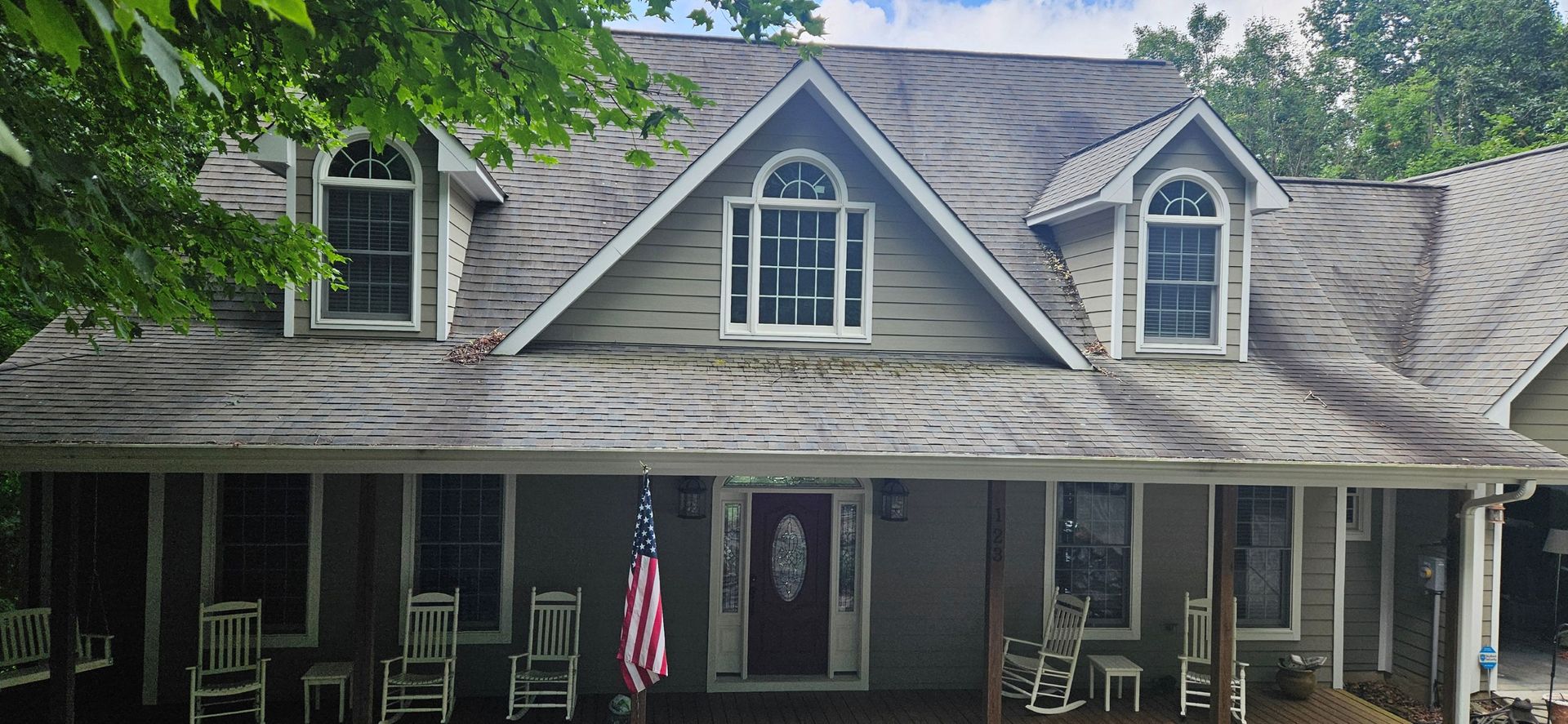
Outdoor Elements provides residential pressure washing in Marion using a light-pressure, chemical-first approach that treats each siding material according to what it can actually handle. Homes clad in hardy board, stucco, or vinyl respond differently to pressure and chemistry, and applying the wrong combination strips finishes, forces water behind seams, or etches surfaces in ways that aren't immediately visible. That distinction—between what looks clean and what was cleaned correctly—is what separates this work from a power wash that simply moves grime around.
The process begins with a chemical application delivered through a Soluforge system, which allows precise control over concentration and dwell time before any water contacts the surface. After the chemical has broken down biological growth, oxidation, and surface contamination, a light-pressure rinse clears the residue without driving moisture into substrate layers. Material selection drives every decision: stucco requires lower pressure and longer chemical contact than vinyl, and metal surfaces—prevalent across Marion-area housing—need rinse confirmation to prevent any chemical sitting in panel seams.
Schedule a free estimate with Outdoor Elements to review your home's siding materials and identify which surfaces need the most attention before work begins..
How Material-Specific Technique Changes the Result
The practical difference between a generic pressure wash and a material-specific approach shows up most clearly on hardy board and stucco. Hardy board's fiber-cement composition absorbs water at the cut edges when high pressure is applied at the wrong angle, and that moisture sits inside the panel long after the surface looks dry. Stucco develops micro-fissures over time, and pressure that seems moderate on vinyl is enough to widen those gaps. Outdoor Elements' owner brings a 30-year background in precision machining to this work, which means tolerances that matter but aren't always visible are taken seriously at every step.
After the rinse clears, you'll notice the difference most on trim transitions, downspout brackets, and foundation skirting—the areas where organic growth accumulates thickest and where incorrect technique leaves streaking or shadowing. Properly cleaned siding dries to a consistent, matte tone rather than the blotchy finish that results when chemical isn't rinsed completely or when pressure varies across the run. Metal panels, common on both roofs and accent siding in this area, show their cleanliness clearly once oxidation is lifted: the surface returns to its original color rather than the chalky gray that accumulates over seasons of exposure.
Residential work at Outdoor Elements is full-time and locally focused, which means scheduling is straightforward and estimates are provided at no cost. The scope of a standard house wash covers primary siding, trim, soffits, and accessible foundation surfaces, with specialty chemical available for areas showing rust transfer or heavy biological staining..
What Homeowners Ask About the Cleaning Process
These questions address how the residential pressure washing work is performed and what affects the approach on different home exteriors.
What is the Soluforge system and why does it matter for residential cleaning?
The Soluforge system controls the chemical concentration delivered to the surface, which means the cleaning agent is applied at the correct strength for the specific material rather than at a fixed dilution. This prevents over-application on painted trim and under-application on surfaces with heavy biological buildup.
How does the cleaning sequence differ between vinyl siding and hardy board?
Vinyl can tolerate a shorter dwell time before rinsing because it doesn't absorb the chemical, while hardy board benefits from a longer contact period at lower concentration to avoid moisture penetration at panel edges. The rinse angle also changes: cutting in from below rather than above prevents water from forcing behind the lap joints.
What surfaces are rinsed with light pressure versus left to rinse by runoff?
All primary siding, trim, and metal surfaces on Marion-area homes receive a direct light-pressure rinse to clear chemical residue completely. Shingle roofing, if present on an adjacent structure, is treated with chemical only and allowed to rinse by rainfall rather than direct pressure application.
How do you know when a surface is fully clean versus surface-clean only?
A properly cleaned surface shows consistent color across the entire panel run without streaking at horizontal joints or darker shadowing near fastener points. If discoloration returns after drying, it typically indicates that chemical dwell time was insufficient or that a second application pass is needed on that section.
Why does metal siding or metal trim require additional attention during the rinse phase?
Metal panel seams and overlap points can trap sodium hypochlorite-based cleaning agents if the rinse doesn't reach the full panel face and edges. Residual chemical left in those seams can cause localized corrosion over time, so confirming complete rinse coverage on metal surfaces is a required step rather than an optional one.
Outdoor Elements also performs residential pressure washing in Wytheville, Abingdon, and Bristol. To arrange an on-site evaluation of your home's exterior and get a detailed estimate based on siding type and current condition, contact Outdoor Elements at (276) 247-9587.